Reading
How to Help Your Child Learn to Read at Home
Children learn to read at school, but the daily practice at home is what makes it stick. Here’s what to do at each stage, and the simple habit that helps more than anything else.

What are the stages of learning to read?
Children usually learn to read in six stages: letters and their sounds, blending sounds into words, word families and sound teams, tricky words like the and said, reading sentences and then books, and finally reading to understand. Most schools teach them in about this order through Kindergarten and Grades 1–2.
- Letters and sounds. Knowing that b says /b/ matters more than knowing its name.
- Blending. Putting sounds together: /c/ /a/ /t/ → cat.
- Word families and sound teams. cat, hat, mat; then sh, ch, ee, oa.
- Tricky words. Common words that don’t follow the rules, like the, said and was.
- Reading sentences, then books. Slowly at first, then more smoothly, with expression.
- Reading to understand. Who, what, why, and what the story is really about.
These stages are the “foundational skills” part of Common Core. Find out where your child’s class is, and practice that stage.
What is the best way to help a child learn to read?
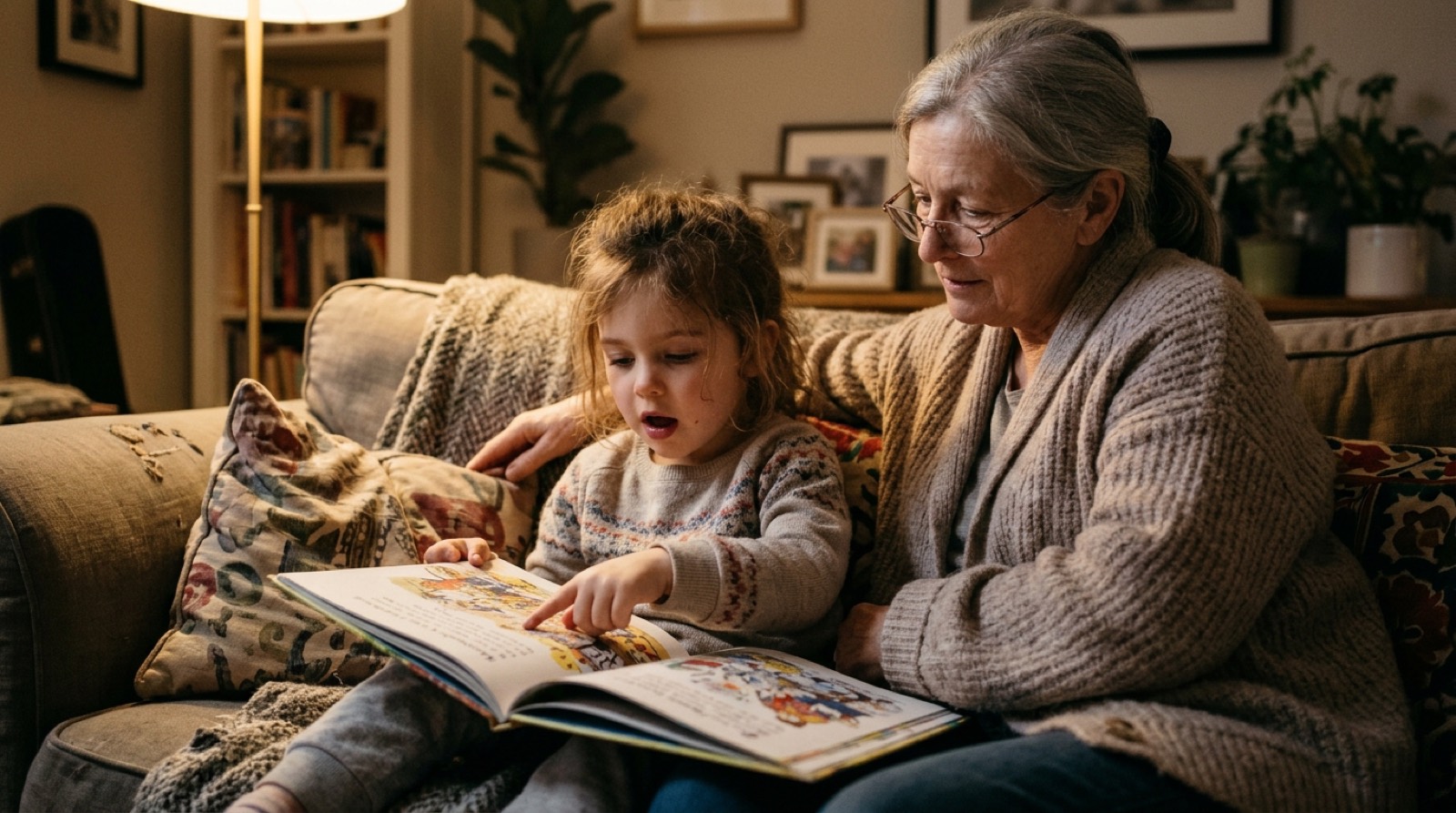
Listen to your child read aloud to you, every day. It’s how beginning readers get fluent: you catch a word they keep guessing at and praise a hard word they got right. Ten minutes is enough. Let them try first, help with the sounds rather than the answer, and choose books at the right level.
- Let them try first. Wait a few seconds before helping with a word.
- Help with the sounds, not the answer. “What sound does this make? Now blend them.”
- Re-reading is good. Reading the same book again builds speed and confidence.
- Pick the right level. If they’re stuck on more than one word in ten, choose an easier book.
Should I keep reading to my child once they can read?
Yes. Keep reading aloud to your child even once they can read alone, choosing books a little harder than they can manage on their own. It grows vocabulary, shows what fluent reading sounds like, and keeps reading a pleasure. Ask a question or two at the end: “Why do you think she did that?”
What reading activities can I do at home?
Match the activity to your child’s stage. Play “I spy” with letter sounds, say sounds slowly for them to blend, and change one letter to make new words. Put tricky words on sticky notes around the house. Once they read books, listen for ten minutes a day, then talk about the story.
| Stage | Try this |
|---|---|
| Letters and sounds | “I spy something that starts with /m/.” Magnetic letters on the fridge. |
| Blending | Say sounds slowly and let them guess the word: “/d/ /o/ /g/?” |
| Word families | Change one letter: cat → hat → bat → bag. Make it silly. |
| Tricky words | A few on sticky notes around the house; read them as you pass. |
| Books | Ten minutes of reading aloud to you, every day, at the same time. |
| Understanding | After a story: who was in it, what happened first, and how did they feel? |
What should I do if my child is struggling to read?
A slow start is common, and every child learns to read at their own pace. But if your child is struggling a lot by the middle of Grade 1, or can’t hear the separate sounds in words, talk to the teacher. Extra phonics support early on makes a big difference.
Quick questions
At what age should a child read?
Most children learn to read between 5 and 7, mostly in Kindergarten and Grade 1. Some read earlier and some later; steady progress matters more than the exact age.
How long should my child read each day?
For beginners, 10–15 minutes of reading aloud to a grown-up, plus being read to. By Grades 2–3, about 20 minutes a day of their own reading is a common goal.
Should I teach letter names or sounds first?
Both help, but sounds unlock reading. Most phonics programs teach the sound first, with the name alongside.
Is it OK for my child to guess words from the pictures?
Pictures help with meaning, but guessing doesn’t build reading. Point back to the letters: “What sound does it start with? Now blend it.”
Should my child read the same book over and over?
Yes. Re-reading builds speed and confidence, and a favorite book is a good place to practice reading smoothly, with expression.